METALLURGICAL SERVICES ENSURING RELIABILITY AND INTEGRITY OF MATERIALS




METALLURGICAL SERVICES ENSURING RELIABILITY AND INTEGRITY OF MATERIALS
Metallurgical services involve the scientific study and testing of metals and their alloys to ensure they meet performance, strength, and durability requirements. These services are essential in industries such as engineering, mining, manufacturing, construction, and automotive—where metal integrity directly affects safety and reliability.
Macroscopic Examination
This type of examination looks at materials at a larger, visible scale-things that can be seen with the naked eye or with low-magnification tools.
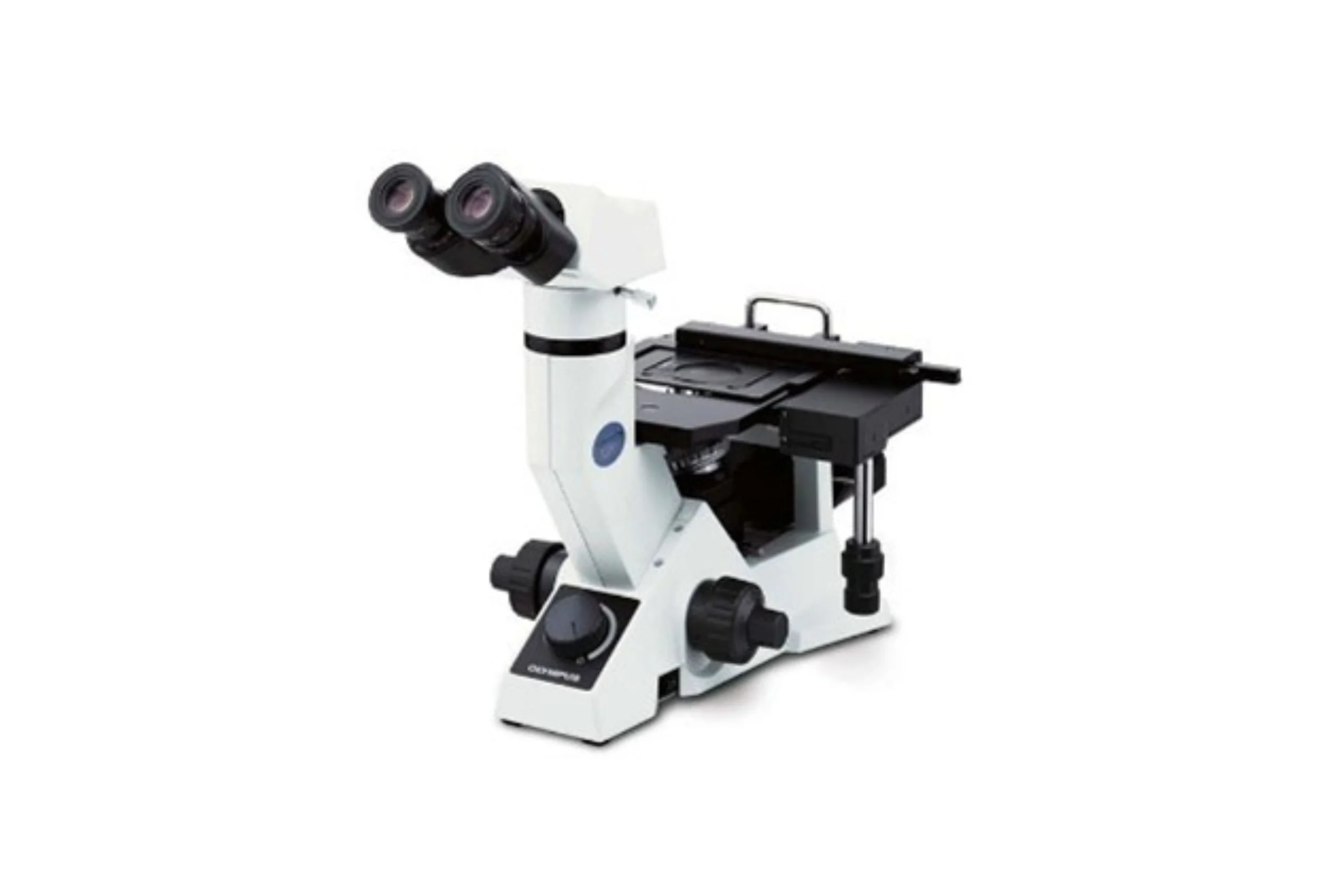
Microscopic Examination
This involves analysing materials at a very fine, small scale (microscopic level), allowing for the observation of details that are not visible to the naked eye.
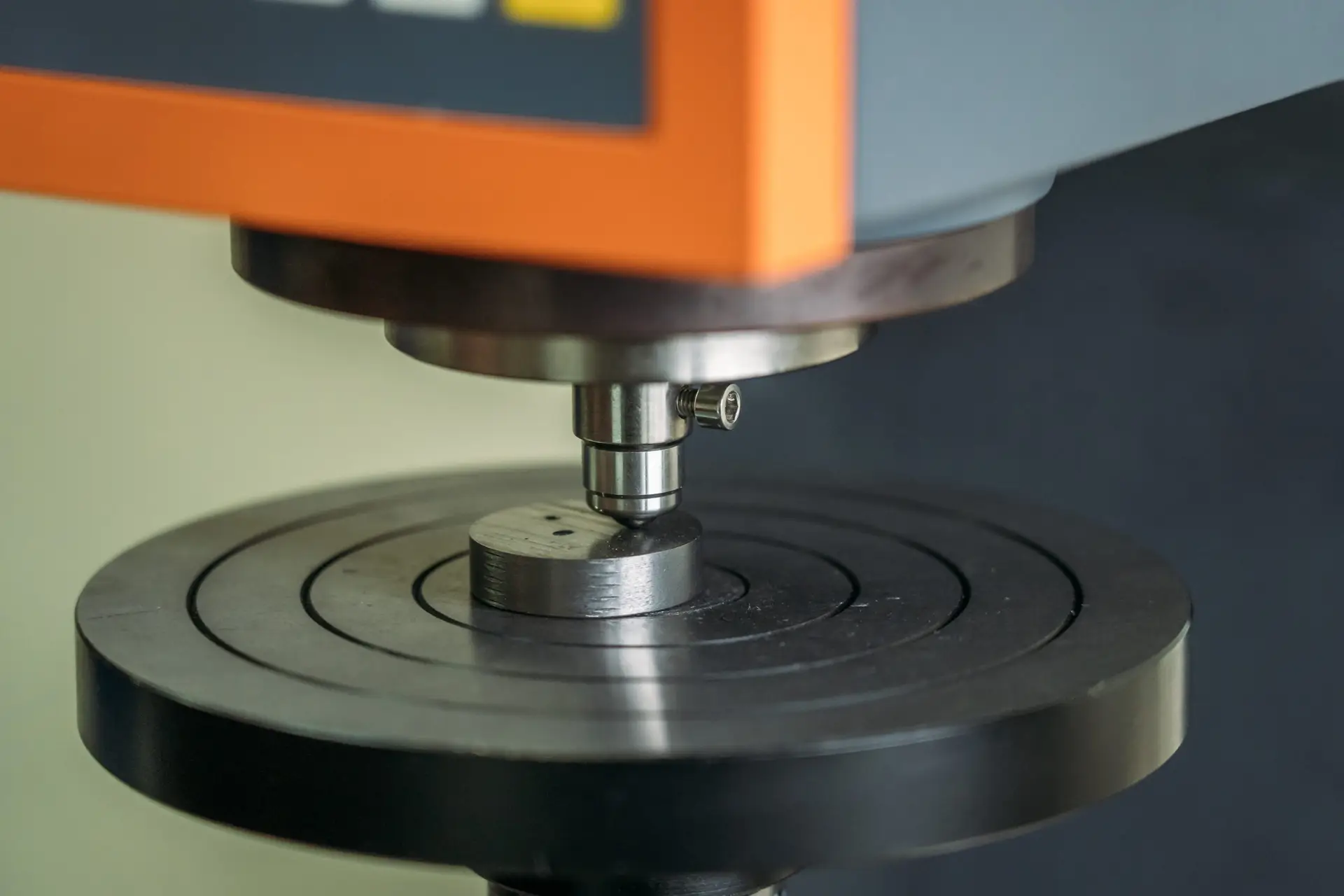
An important method used to measure a material’s resistance to localized plastic deformation, often caused by indentation. The test is used to determine the material’s durability, wear resistance, and strength, providing key insights into its performance in various applications.
This test evaluates the fracture toughness of a welded joint or material, specifically assessing the strength of the weldment and the base material under stress.
Procedure:
Analyze.co.nz © 2025 | All Rights Reserved.
Designed By: CRM Studio & Design
Analyze.co.nz © 2025 | All Rights Reserved.