DEDICATION AND EXCELLENCE DRIVE US TO SET INDUSTRY BENCHMARKS BY UPHOLDING THE HIGHEST QUALITY STANDARDS AND OFFERING INNOVATIVE SOLUTIONS.
NON-DESTRUCTIVE TESTING
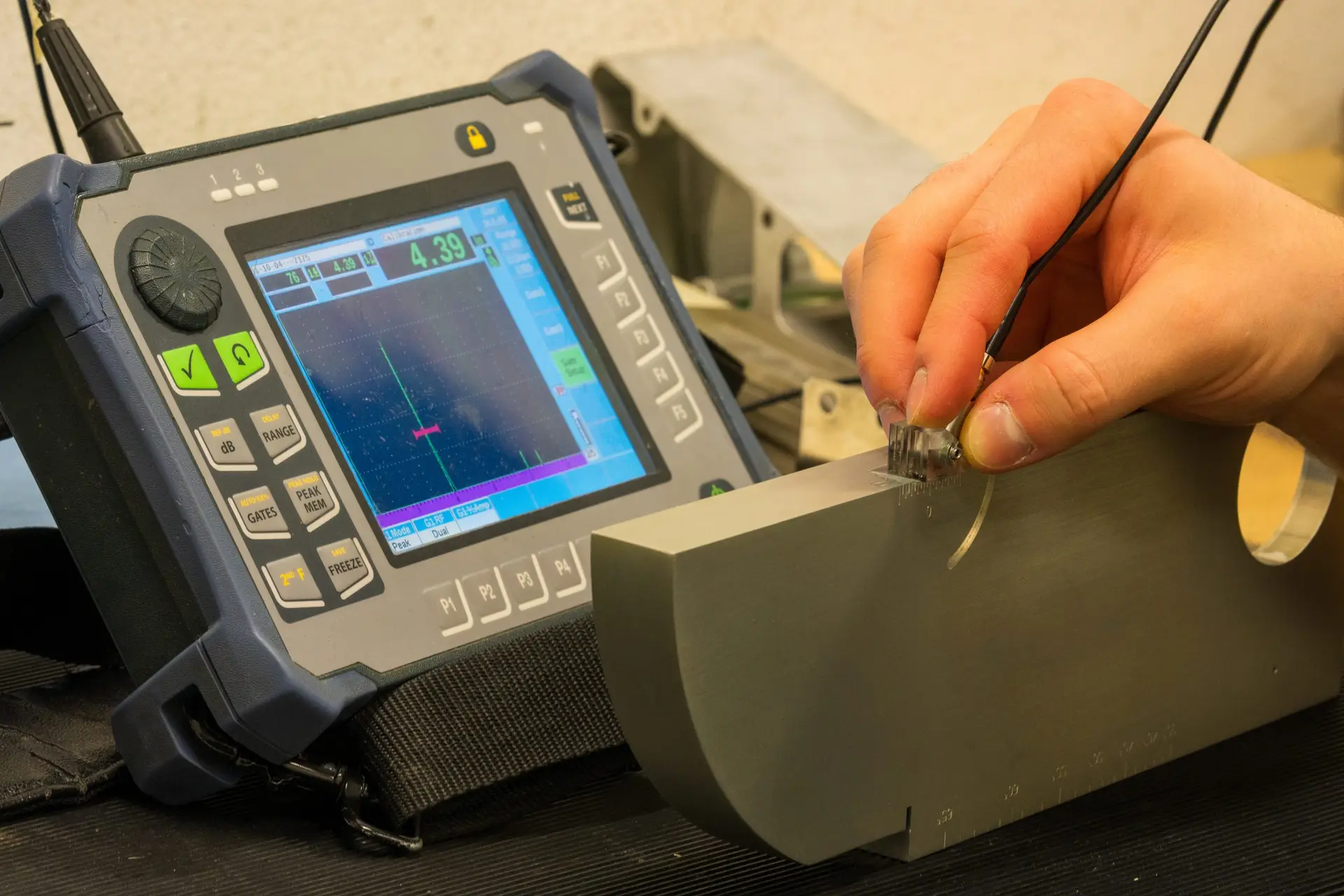
By partnering with ANALYZE for Non-destructive testing (NDT), your project benefits from precise, independent, and reliable inspections that reduce rework, improve safety, and ensure that every weld meets project specifications and code requirements.
Non-destructive testing (NDT) is a method used to examine materials or structures for defects and irregularities without causing any harm. It helps ensure safety, quality, and reliability by detecting issues early and is widely used in industries.
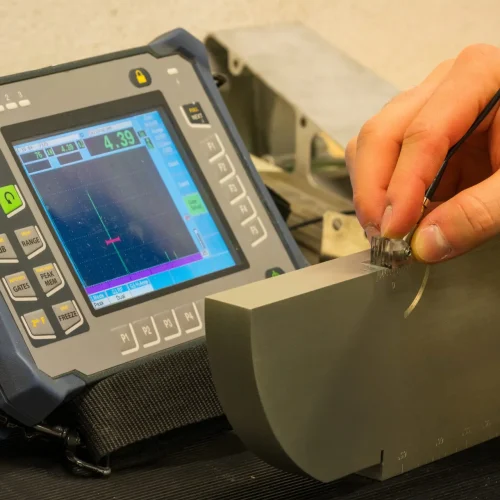
VISUAL INSPECTION (VT)
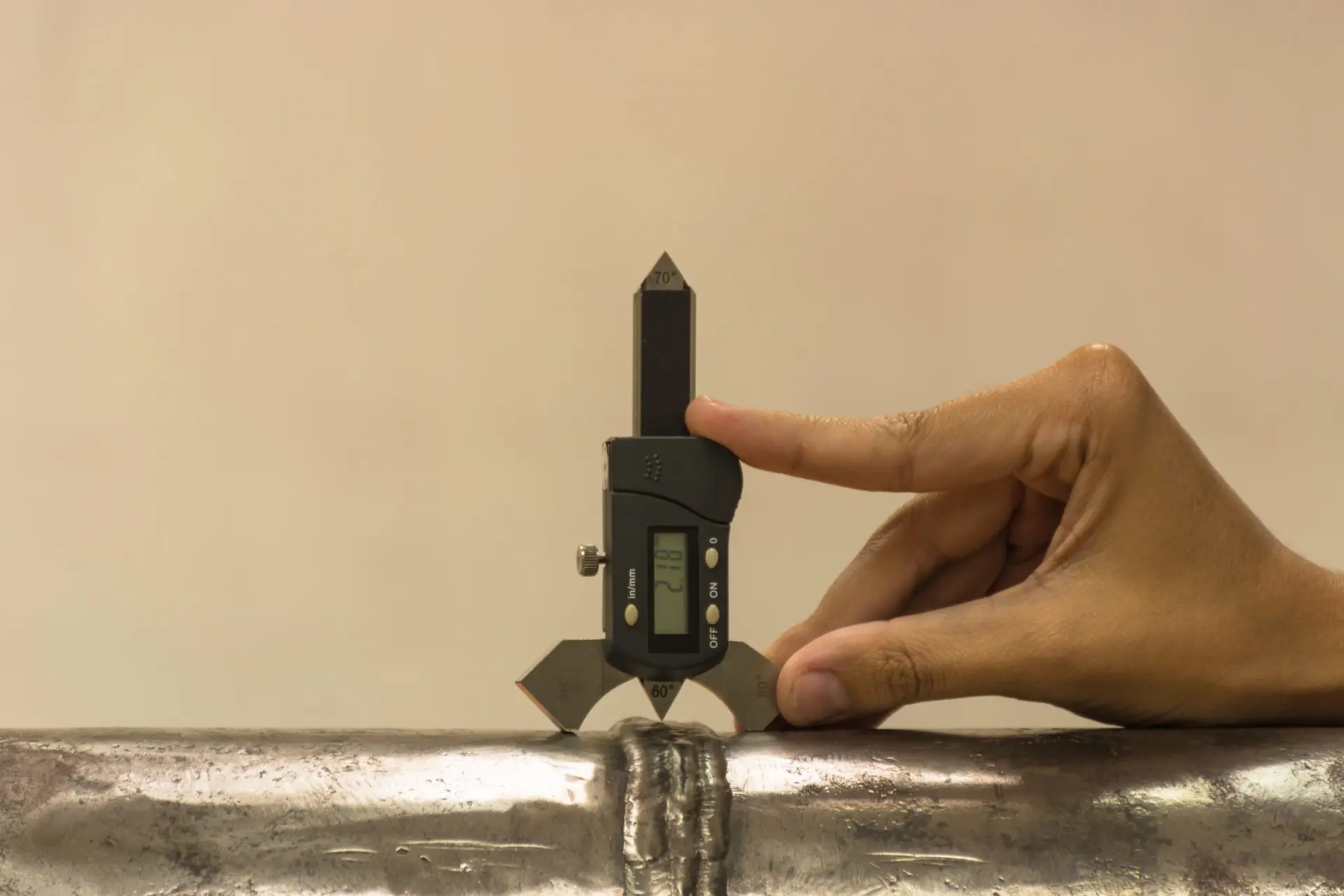
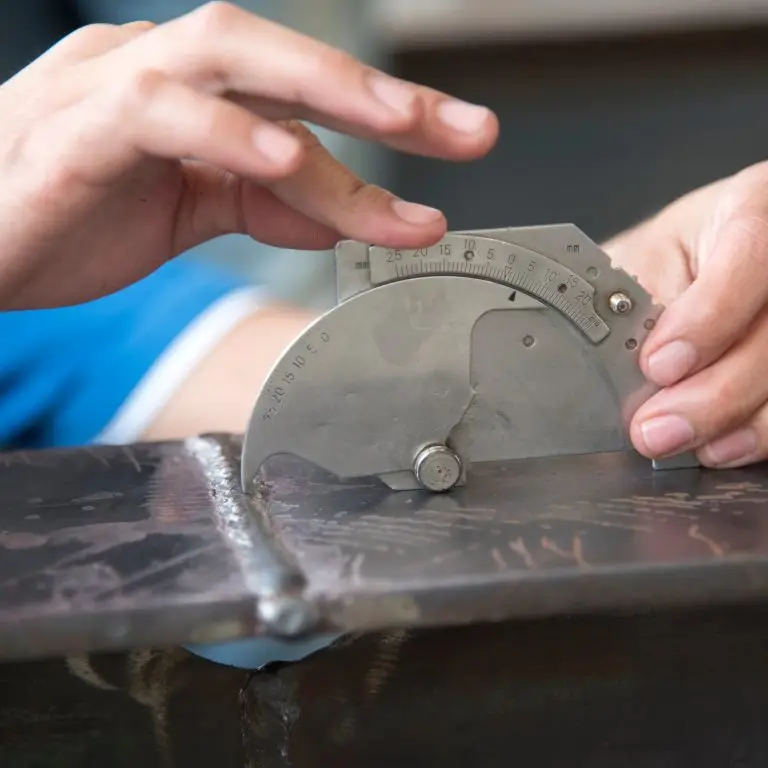
We understand that Visual Inspection (VT) is one of the most important quality control steps in any fabrication or construction project. Early detection of welding or fabrication issues saves time, reduces rework, and ensures every component meets specification before critical stages such as coating, installation, or product delivery.
This method is based on the inspection for flaws that are visible to the naked eye and is the most commonly used non-destructive testing method across all industries. It allows for a feasible and fast control of quality at every step of the fabrication or maintenance process. Visual Testing is used to detect visible flaws such as deformation, welding defects and corrosion. Many tools can be used during the inspection such as a ruler, gauges, cameras, etc.
MAGNETIC PARTICLE TESTING (MT)
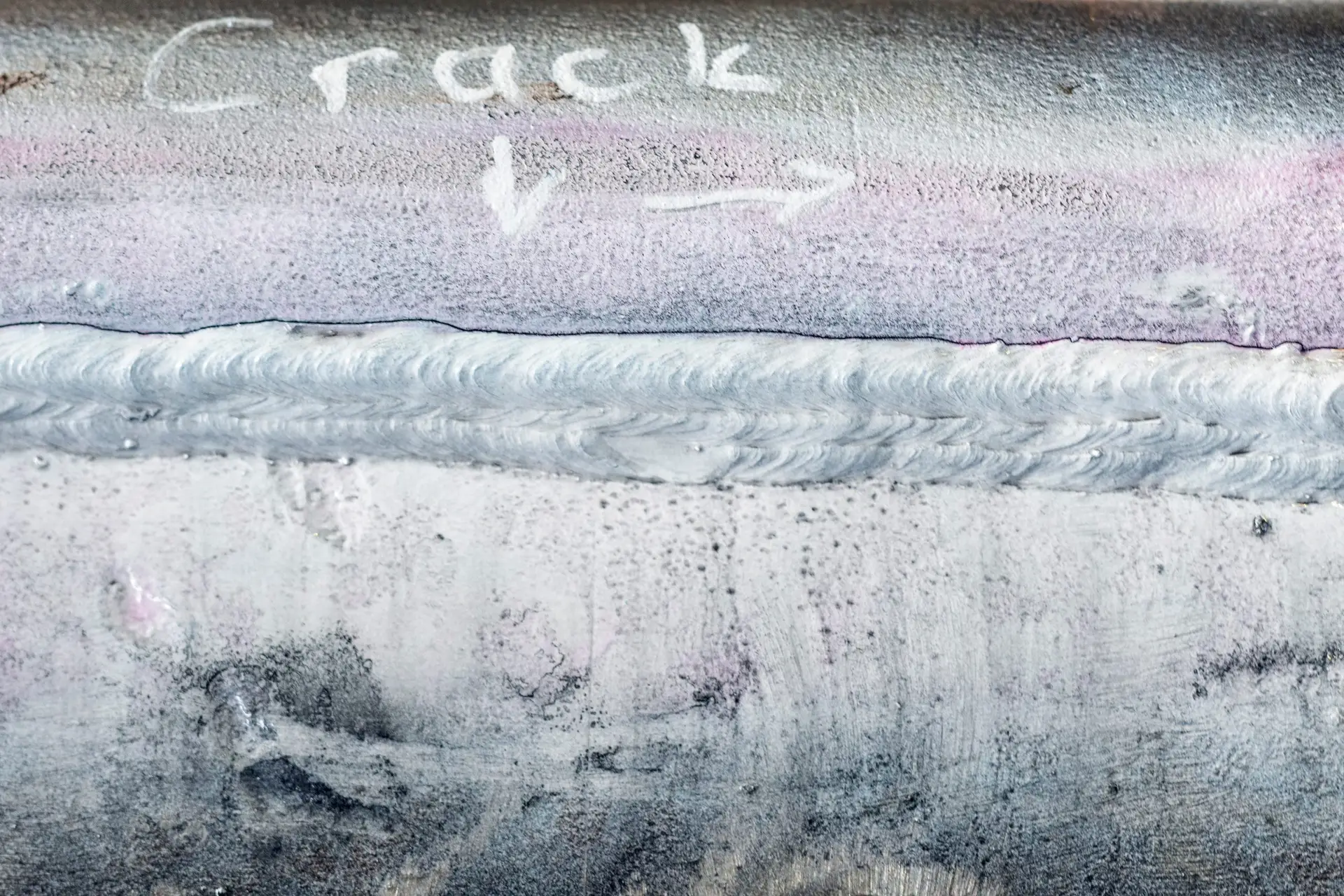
Our team can perform Magnetic Particle Testing at your site, allowing us to inspect bolts, pins, welds, and other components quickly and efficiently without the need to transport them off-site.
Magnetic Particle Testing (MT) is an economically effective method for the detection of surface and near surface flaws in ferromagnetic materials is primarily used for crack detection. Following magnetisation, the specimen is covered with very fine iron particles either dry or suspended in a liquid. Surface breaking flaws distort the magnetic field causing local magnetic flux leakage that attract the iron particles producing a build-up that can be seen visually.
LIQUID PENETRANT TESTING (PT, DPI, LPI)
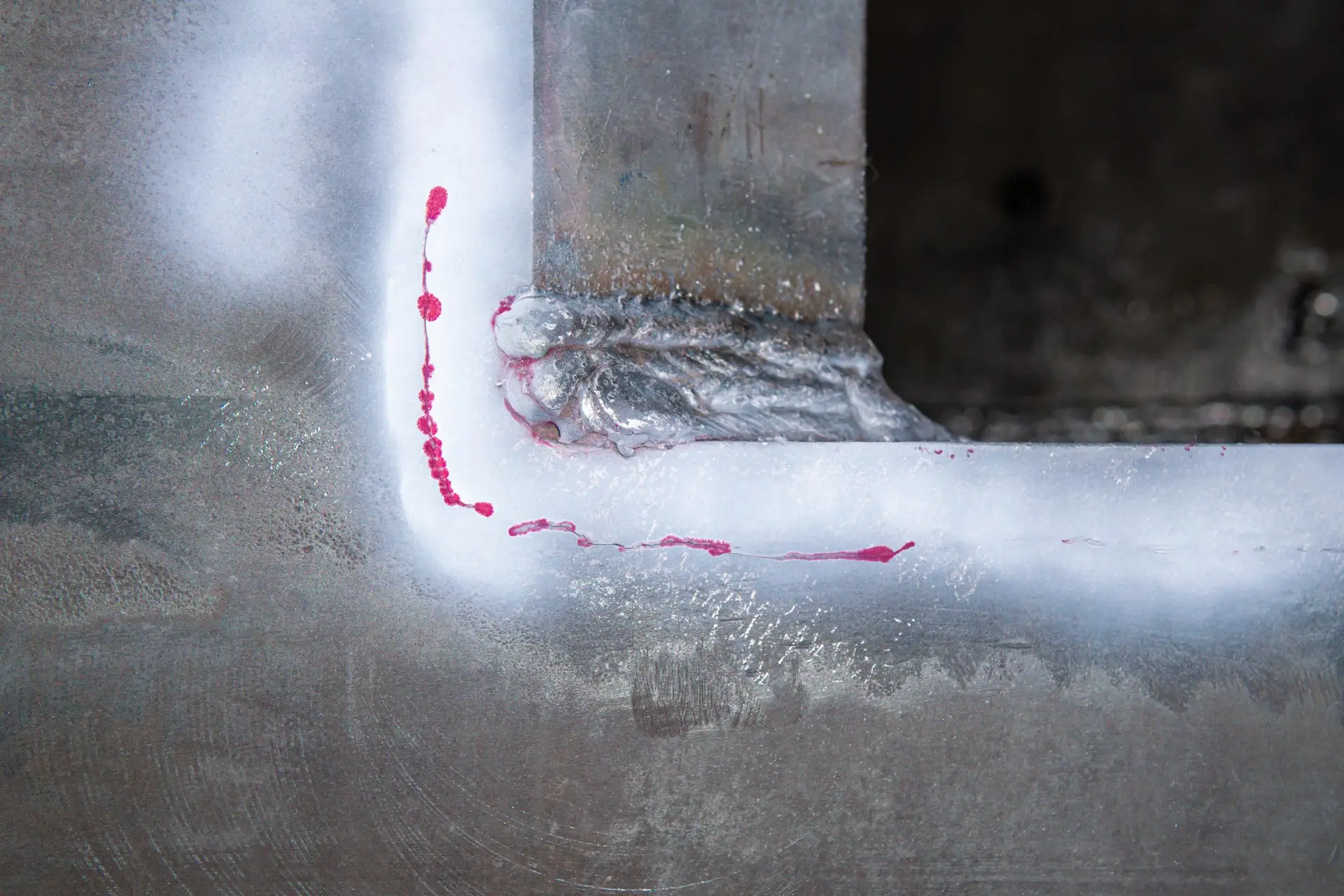
We can perform Liquid Penetrant Testing (PT) to detect surface-breaking defects on both ferrous and non-ferrous materials, including stainless steel, aluminium, castings, and welds.
Liquid Penetrant Testing (PT) is an economically efficient method of detecting surface breaking flaws, such as cracks, cold laps, porosity etc. The dye penetrant is drawn into the surface breaking flaw by capillary action and excess surface penetrant is then removed, a developer is then applied to the surface, to draw out the penetrant in the crack and produce a surface indication. the technique can be applied to any nonporous clean material, metallic or non-metallic.
ULTRASONIC TESTING (UT)
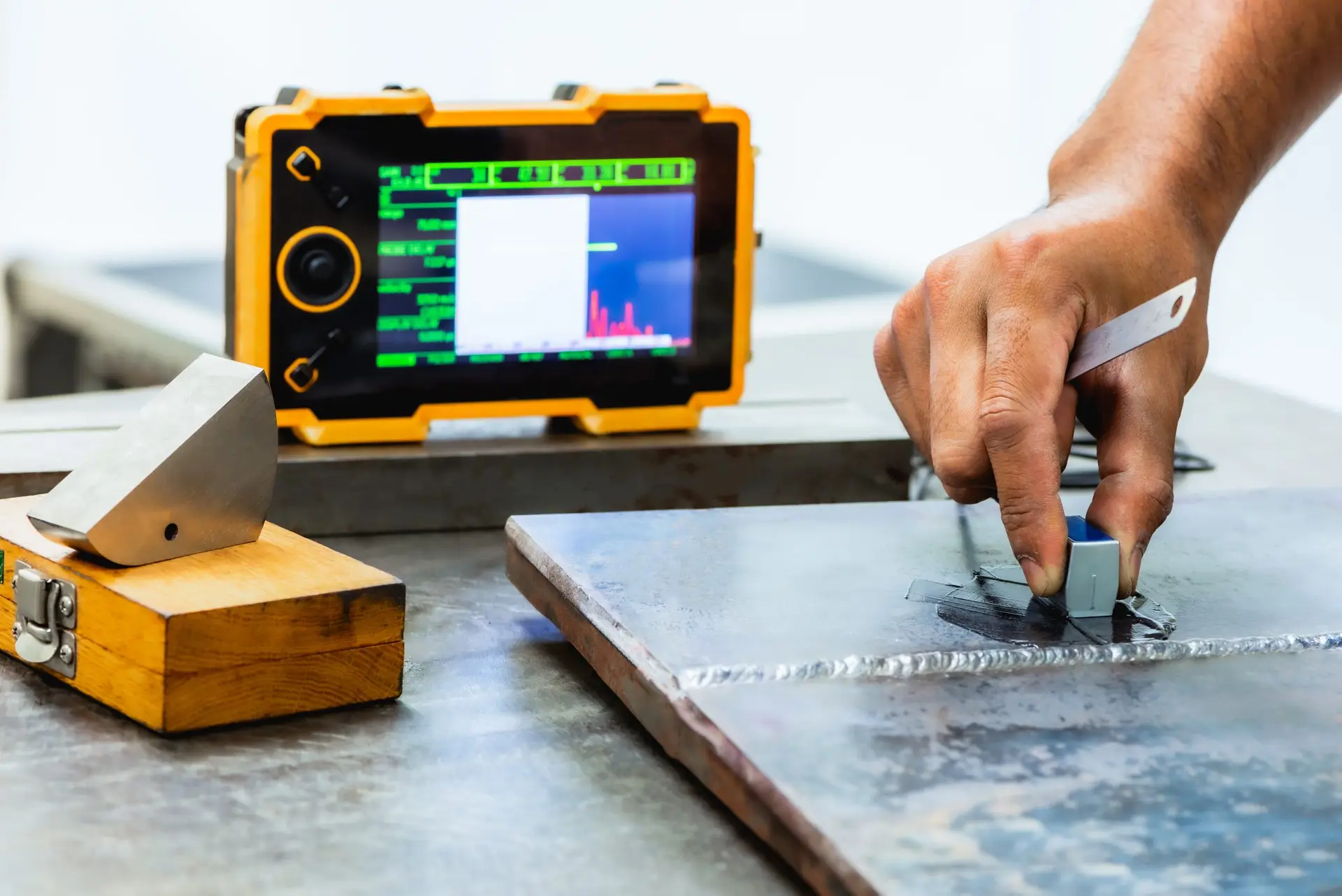
We can perform Ultrasonic Testing (UT) and Ultrasonic Thickness Testing (UTT) to accurately assess the integrity and thickness of materials and welds.
Ultrasonic Testing (UT) is a highly effective non-destructive testing method used to detect internal flaws, measure material thickness, and assess weld integrity. This technique utilizes high-frequency sound waves that travel through a material, reflecting off defects or boundaries, allowing for precise detection of discontinuities such as cracks, voids, and inclusions.

RADIOGRAPHIC TESTING (RT)

Our technicians deliver accurate, clear, and reliable radiographic results, helping you ensure quality, safety, and compliance across your projects.
Radiographic Testing (RT) is a non-destructive testing method used to examine the internal structure of materials, welds, and components without causing any damage. It works by passing X-rays or gamma rays through the object to reveal hidden defects such as cracks, porosity, slag inclusions, or lack of fusion. RT provides a permanent record of inspection, helping ensure quality, safety, and compliance for materials and welds in fabrication, construction, and in-service applications.
EDDY CURRENT TESTING (ET)
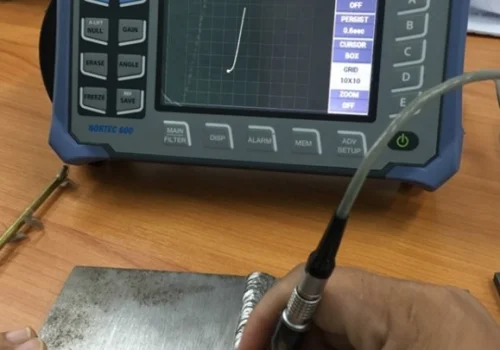
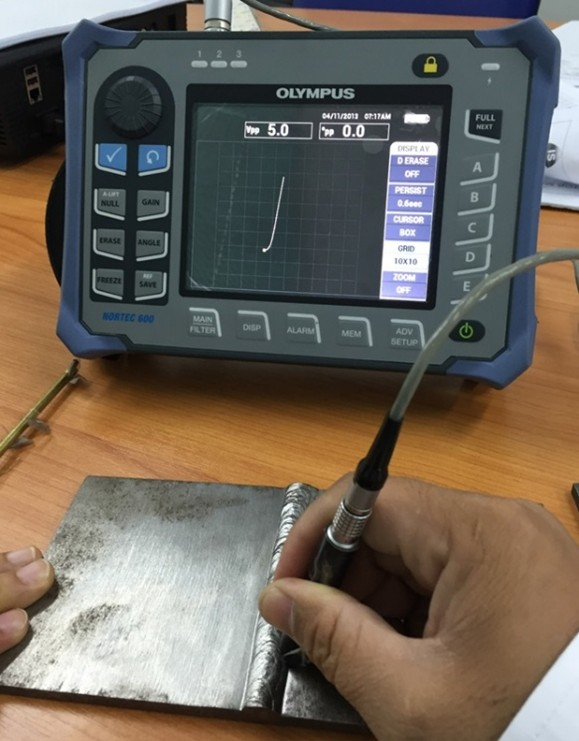
We specialize in weld inspections using Eddy Current Testing, providing accurate detection of cracks, porosity, and other defects that may affect the structural integrity of your components.
Eddy Current Testing (ET) uses electromagnetic induction to detect flaws in conductive materials. It can detect very small cracks in or near the surface of the material. Parts capable of inducing current are put in contact with or near a probe that emits electromagnetic currents through the part. The probe also looks for changes in how the current travels through the part. It picks up the changes and shows the irregular flow. This process can detect slight changes in the piece being inspected. The changes may be due to hardness differences, changes in material, or a void or crack in the part. The material surface needs minimal preparation, and physically complex geometries can be investigated. It is also useful for making electrical conductivity and coating thickness measurements.
BORESCOPE INSPECTION
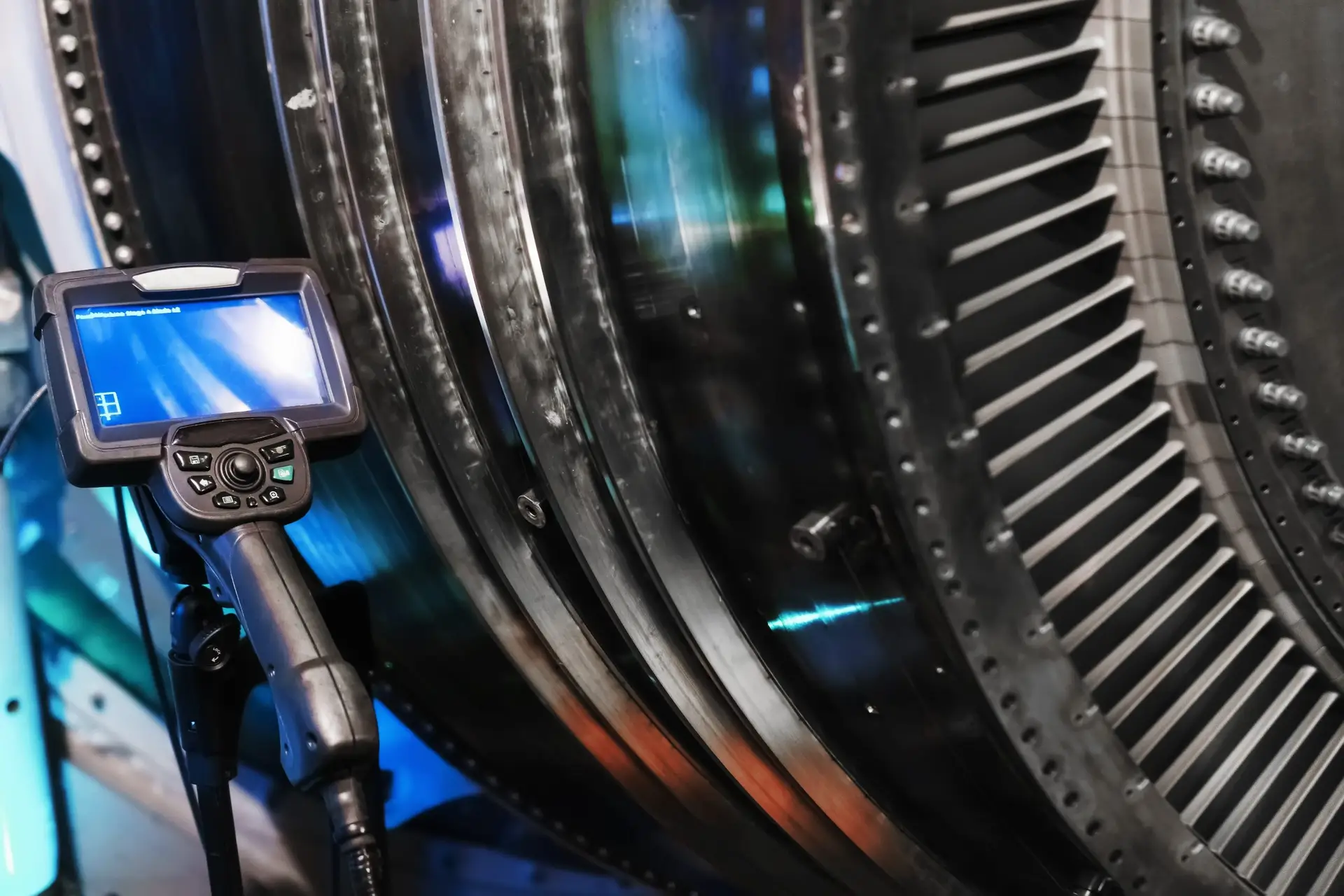
We use specialized visual inspection tools designed for examining areas that are otherwise inaccessible. In medical applications, similar devices are known as endoscopes. Primarily used in non-destructive testing, borescopes help identify defects or imperfections in various industrial components.
They are commonly employed for inspecting boilers, aircraft engines, aero-derivative industrial gas turbines, steam turbines, diesel engines, heat exchanger tubes, and automotive and truck engines. Gas and steam turbines, in particular, require thorough inspection due to strict safety and maintenance requirements. Borescope inspections can help prevent unnecessary maintenance, which is especially beneficial for large turbines where repairs can be extremely costly. Additionally, in manufacturing, borescopes are used to examine machined or cast parts, ensuring critical interior surfaces are free of burrs, meet surface finish standards, and contain fully formed through-holes.
QUICK LINKS
Analyze.co.nz © 2025 | All Rights Reserved.
Designed By: CRM Studio & Design
Analyze.co.nz © 2025 | All Rights Reserved.